
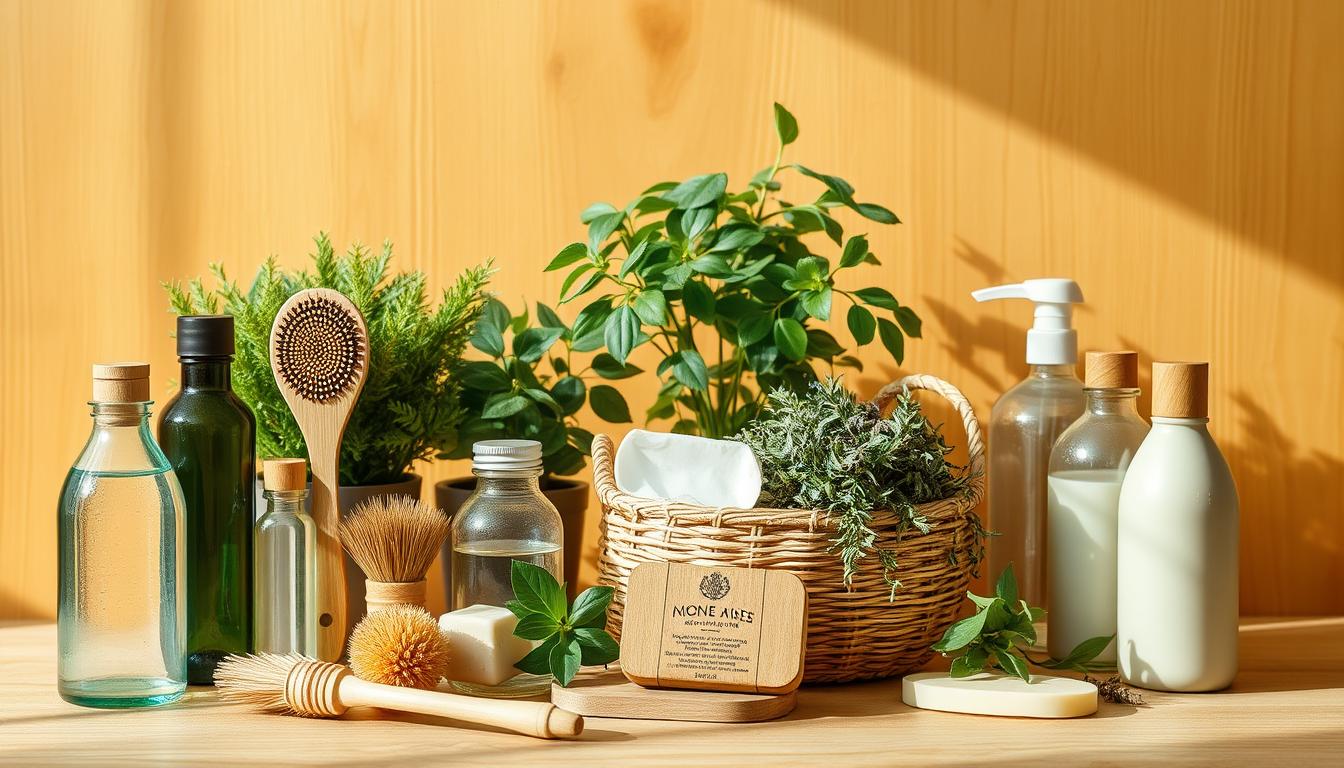
Creating a healthier living environment starts with making informed choices about the products you bring into your home. Many everyday essentials, from cleaning supplies to kitchen utensils, can contain harmful chemicals that affect your well-being.
As you strive for a greener lifestyle, it’s essential to identify non-toxic alternatives that are both effective and safe. By choosing the right products, you can significantly reduce your exposure to toxins and enhance your overall health.
Key Takeaways
Table of Contents
- Understand the importance of switching to non-toxic home products
- Learn how to identify harmful chemicals in everyday essentials
- Discover practical tips for making the transition to greener alternatives
- Explore the benefits of a healthier living environment
- Find out how to make informed choices for a safer home
Why Your Home Environment Affects Your Health
The home environment significantly influences our overall health and well-being. Many household products contain harmful chemicals that can affect our health and the environment. Understanding the impact of these products is crucial for making informed decisions about the products we bring into our homes.
Common Toxins Found in Household Products
Household products often contain chemicals like volatile organic compounds (VOCs), phthalates, and parabens. These toxins can be found in cleaning supplies, personal care products, and even furniture.
Health Impacts of Chemical Exposure in the Home
Exposure to these chemicals has been linked to various health issues, including respiratory problems, skin irritation, and hormonal imbalances. Reducing exposure to these toxins is essential for maintaining good health.
Environmental Benefits of Non-toxic Alternatives
Switching to non-toxic, eco-friendly household products can significantly reduce environmental pollution. These products are biodegradable and free from harmful chemicals, making them safer for both our homes and the planet.
| Product Type | Traditional Products | Eco-friendly Products |
|---|---|---|
| Cleaning Supplies | Contain VOCs, harsh chemicals | Biodegradable, non-toxic |
| Personal Care | May contain phthalates, parabens | Free from harmful chemicals, natural ingredients |
“The average person is exposed to numerous toxic chemicals in their daily life, many of which are found in common household products.”
How to Assess Your Current Home Environment
The journey to a healthier home begins with understanding what’s in your home. Assessing your current environment is crucial for identifying areas that need improvement.
Identifying Toxic Products in Your Home
Start by examining the products under your sink, in your cleaning cabinet, and on your shelves. Look for cleaning supplies, personal care products, and other household items that contain harsh chemicals. Check the ingredient labels for red flag ingredients like bleach, ammonia, and phthalates.

Priority Areas for Detoxification
Some areas of your home may require more attention than others. The kitchen and bathroom are typically high-priority areas due to the presence of cleaning products and personal care items. Focus on replacing toxic products in these areas first to maximize your health benefits.
Creating a Step-by-Step Replacement Plan
Once you’ve identified toxic products and prioritized areas for detoxification, create a plan to replace these items with natural cleaning supplies and sustainable household items. Start with small changes, like switching to eco-friendly cleaning products or replacing plastic storage containers with glass ones.
By following these steps, you can create a healthier home environment that promotes well-being for you and your family.
Essential Non-toxic Home Essentials for Cleaning
Cleaning your home with non-toxic products is a crucial step towards creating a healthier living environment. As we’ve discussed in previous sections, common household products can contain harmful chemicals that affect our health and the environment. In this section, we’ll explore the non-toxic cleaning essentials you need to keep your home clean and safe.
All-Purpose Cleaners and Disinfectants
Switching to non-toxic all-purpose cleaners and disinfectants is a great starting point. Look for products that are labeled as non-toxic and biodegradable. These products are made with natural ingredients that are gentle on surfaces yet effective against germs and bacteria. Some popular brands offer a range of non-toxic cleaning solutions that are free from harsh chemicals like bleach and ammonia.
Laundry and Dishwashing Products
Laundry and dishwashing products are used daily and can significantly impact our health. Opt for eco-friendly laundry detergents that are free from phosphates and artificial fragrances. For dishwashing, choose products that are gentle on hands and the environment. Many non-toxic dishwashing liquids are now available, made from natural ingredients that effectively cut through grease without leaving harmful residues.
DIY Cleaning Solution Recipes
Creating your own cleaning solutions is not only cost-effective but also ensures that you know exactly what’s going into your cleaning products. Simple ingredients like baking soda, vinegar, and lemon juice can be used to make effective cleaning solutions. For example, mixing baking soda and water creates a paste that can be used to scrub surfaces, while vinegar and water can be used as a natural disinfectant.
By incorporating these non-toxic home essentials into your cleaning routine, you can significantly reduce your exposure to harmful chemicals and create a healthier home environment.
Non-toxic Kitchen Essentials
Creating a healthier kitchen environment starts with choosing the right non-toxic essentials. The kitchen is a hub of activity where food is prepared, and it’s crucial to minimize exposure to harmful chemicals. By opting for non-toxic products, you can significantly reduce health risks associated with chemical contamination.
Safe Cookware and Food Storage Options
When it comes to cookware, selecting non-toxic materials is vital. Cast iron, stainless steel, and ceramic cookware are excellent alternatives to non-stick coatings that can release toxic fumes when heated. For food storage, consider using glass containers instead of plastic, which can leach chemicals into your food.

Non-toxic Utensils and Cutting Boards
Utensils and cutting boards are other kitchen staples that can harbor bacteria and chemicals. Opt for bamboo or stainless steel utensils, which are durable and non-toxic. For cutting boards, choose materials like wood or bamboo that are gentler on knives and less likely to harbor bacteria.
Water Filtration Systems
A water filtration system is an essential component of a non-toxic kitchen. It helps remove contaminants and chemicals from your drinking water, ensuring it’s safe to consume. Consider installing a filter that can remove a wide range of impurities, including lead and chlorine.
By incorporating these non-toxic kitchen essentials, you can create a healthier cooking environment that promotes well-being for you and your family.
Creating a Non-toxic Bedroom
The bedroom, often considered a personal haven, can be a source of toxic exposure if not properly managed. To create a healthier sleep environment, it’s essential to address several key areas.
Organic Bedding and Mattresses
Choosing organic bedding and mattresses is a crucial step. Conventional mattresses and bedding can contain chemicals like flame retardants and pesticides. Opt for products made from natural materials, such as organic cotton or wool, which are less likely to off-gas harmful chemicals. Brands like Avocado Green Mattress and Boll & Branch offer a range of organic bedding options.
Natural Air Purification Methods
Improving indoor air quality is vital for a non-toxic bedroom. Instead of relying on electronic air purifiers, consider natural methods. Adding plants like peace lilies or snake plants can help purify the air. Additionally, using essential oils in a diffuser can enhance air quality and promote relaxation.
Non-toxic Furniture Options
Furniture can be a significant source of toxins, particularly if it’s made from composite materials or treated with chemicals. Look for furniture constructed from solid woods or natural materials. When shopping for new furniture, research brands that prioritize non-toxic materials and sustainable practices, such as West Elm’s Rejuvenation line.
By implementing these changes, you can significantly reduce your exposure to toxins in the bedroom, leading to better sleep and overall health.
Bathroom Non-toxic Essentials
Transforming your bathroom into a non-toxic oasis starts with making informed choices about the products you use daily. The bathroom is a space where we spend a significant amount of time, and the products we use here can have a substantial impact on our health.

Natural Personal Care Products
Switching to natural personal care products is a crucial step in creating a non-toxic bathroom. Look for products that are free from harsh chemicals, artificial fragrances, and dyes. Opt for products with natural ingredients like aloe vera, coconut oil, and shea butter. Brands like Burt’s Bees and Lush offer a range of natural personal care products.
Eco-friendly Shower Curtains and Bath Mats
Another aspect to consider is the materials used for your shower curtains and bath mats. Traditional PVC shower curtains can release toxic chemicals. Instead, choose eco-friendly alternatives made from materials like organic cotton, hemp, or recycled materials. For bath mats, consider those made from natural rubber or bamboo.
Non-toxic Toilet and Tile Cleaners
Cleaning your bathroom doesn’t have to mean exposing yourself to harsh chemicals. Non-toxic toilet and tile cleaners are now widely available. Look for products labeled as non-toxic and biodegradable. You can also make your own cleaning solutions using vinegar, baking soda, and lemon juice. These natural ingredients are effective and safe for your health.
By incorporating these non-toxic essentials into your bathroom, you can significantly reduce your exposure to harmful chemicals and create a healthier environment for you and your family.
How to Read Labels and Avoid Greenwashing
With the rise of greenwashing, it’s crucial to understand how to read labels effectively. As consumers, we’re bombarded with products claiming to be eco-friendly, but not all claims are created equal.
To navigate this complex landscape, it’s essential to be informed about the ingredients and manufacturing processes behind the products you use in your home.
Understanding Certification Standards
Certifications like USDA Organic and Safer Choice indicate that a product meets certain standards for safety and environmental sustainability.
Understanding these certifications can help you make informed choices when selecting non-toxic home decor and organic home products.
Red Flag Ingredients to Avoid
Some ingredients are red flags when it comes to toxic home products. These include phthalates, parabens, and volatile organic compounds (VOCs).
Being aware of these can help you avoid products that might harm your health or the environment.
Reliable Eco-friendly Brands
Some brands are committed to producing genuinely eco-friendly products. Brands like Seventh Generation and Ecover are known for their commitment to sustainability and transparency.
By choosing these brands, you’re supporting companies that prioritize the health of your home and the environment.
By being informed and vigilant, you can make better choices and contribute to a healthier home environment.
Conclusion: Building a Healthier Home One Step at a Time
Creating a non-toxic home is a journey that requires patience, dedication, and a willingness to make changes. By implementing the tips and recommendations provided in this article, you can create a safer, healthier living environment for you and your loved ones.
Start by assessing your current home environment and identifying areas that need improvement. Replace traditional household products with eco-friendly household products and non-toxic home essentials. This includes using all-purpose cleaners, laundry detergent, and personal care products that are free from harsh chemicals.
As you continue on this journey, you’ll not only improve your health and wellbeing but also contribute to a more sustainable future. By choosing non-toxic home essentials and eco-friendly household products, you’re reducing the amount of toxins released into the environment.
Take it one step at a time, and don’t be too hard on yourself. Every small change counts, and before you know it, you’ll be enjoying a healthier, more sustainable living space.